
Have you ever looked at your eating habits after 40 and thought, “I’m eating the same way I did in my 20s—so why am I gaining weight?”
You’re not imagining it.
Many people notice that losing weight becomes significantly more challenging after 40. The strategies that once worked—cutting out dessert, adding a few walks each week, or skipping late-night snacks—suddenly seem less effective.
The good news?
Your body is not broken.
Weight loss after 40 is absolutely possible, but the rules change. Hormones shift, muscle mass naturally declines, recovery slows down, stress affects the body differently, and modern lifestyles often make things even harder.
Understanding why weight loss gets harder after 40 can help you stop blaming yourself and start focusing on strategies that actually work.
In this guide, you’ll learn the science behind midlife weight gain, the biggest mistakes that keep people stuck, and the practical steps that can help you lose weight without extreme diets or endless cardio.

Quick Takeaways
- Weight loss becomes harder after 40 because metabolism gradually slows.
- Age-related muscle loss reduces daily calorie burn.
- Hormonal changes can increase fat storage and hunger.
- Stress and poor sleep become bigger weight-loss obstacles.
- Strength training becomes more important than ever.
- Protein intake plays a crucial role in maintaining muscle.
- Walking and daily movement matter more than intense workouts alone.
- Sustainable habits outperform restrictive diets.
Why Weight Loss Gets Harder After 40
It’s Not Just About Willpower
One of the biggest misconceptions about weight loss is that it becomes difficult because people become less disciplined.
In reality, biology plays a major role.
Several changes occur simultaneously:
- Muscle mass gradually declines.
- Hormones fluctuate.
- Recovery slows.
- Daily calorie needs decrease.
- Sleep quality often worsens.
- Stress tends to increase.
When these factors combine, maintaining the same weight requires more awareness than it did decades earlier.
The Hidden Metabolism Shift Nobody Talks About
Your Body Burns Fewer Calories Than Before
Many people assume metabolism suddenly crashes at 40.
That’s not exactly true.
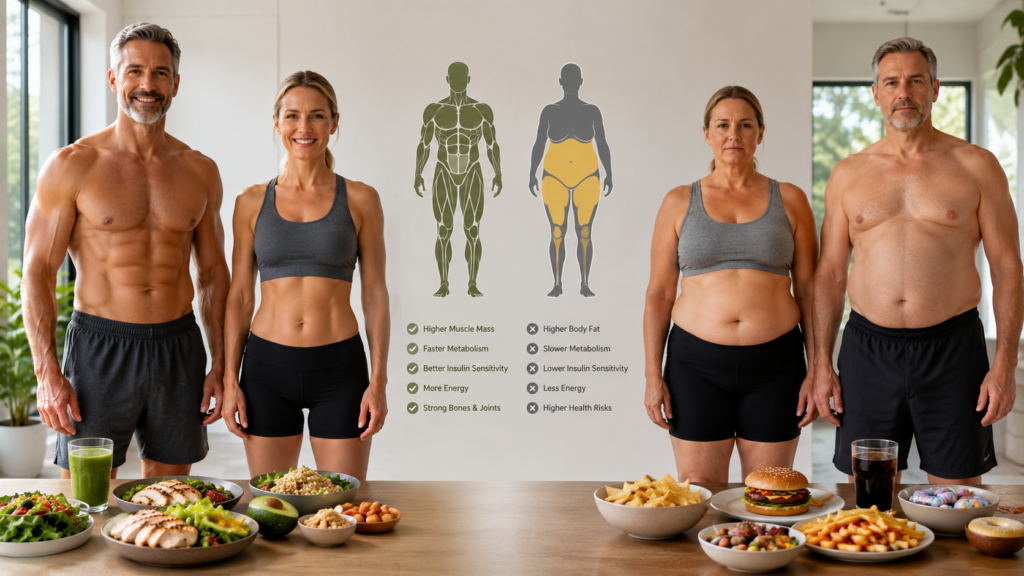
The bigger issue is that people naturally lose lean muscle tissue over time.
Muscle is metabolically active tissue.
The less muscle you have:
- The fewer calories you burn at rest.
- The easier it becomes to gain weight.
- The harder it becomes to maintain weight loss.
This process often starts in your 30s and accelerates if you don’t actively preserve muscle through strength training.
The Muscle Loss Problem (And Why It’s So Important)
Sarcopenia: The Age-Related Muscle Decline
Most people focus only on fat loss.
The real goal should be preserving muscle while losing fat.
After 40:
- Muscle naturally declines.
- Strength decreases.
- Daily calorie expenditure drops.
This is why crash dieting often backfires.
When you lose weight too quickly, you may lose valuable muscle tissue along with fat.
That makes future weight loss even harder.
What To Do
Prioritize:
- Resistance training
- Adequate protein
- Recovery
- Consistent movement
Even two to three strength-training sessions per week can make a meaningful difference.
Hormonal Changes That Affect Weight
For Women
Perimenopause and menopause create major changes.
Declining estrogen levels may contribute to:
- Increased belly fat
- Increased hunger
- Reduced insulin sensitivity
- Changes in body composition
Many women notice that weight accumulates around the abdomen despite maintaining previous eating habits.
For Men
Testosterone levels gradually decline with age.
Lower testosterone may contribute to:
- Reduced muscle mass
- Increased body fat
- Lower energy levels
- Reduced workout performance
This doesn’t mean hormones are the only cause of weight gain, but they can influence how your body stores and uses energy.

Why Stress Causes More Weight Gain After 40
The Cortisol Connection
By midlife, many people juggle:
- Careers
- Family responsibilities
- Financial pressures
- Aging parents
- Health concerns
Chronic stress can influence:
- Hunger signals
- Food cravings
- Emotional eating
- Sleep quality
Stress often pushes people toward:
- Sugary foods
- Comfort foods
- Larger portions
- Mindless snacking
Many people blame themselves for lacking discipline when stress management is actually the missing piece.
Practical Stress Solutions
- Daily walks
- Meditation
- Deep breathing
- Journaling
- Yoga
- Better sleep routines
Sleep: The Weight Loss Secret Most People Ignore
Poor Sleep Changes Hunger Hormones
Many adults over 40 experience:
- Insomnia
- Frequent waking
- Sleep disruptions
Poor sleep can increase:
- Cravings
- Appetite
- Fatigue
- Desire for high-calorie foods
When you’re exhausted, healthy choices become much harder.
Better Sleep Habits
- Consistent bedtime
- Dark room
- Cool temperature
- Reduced screen exposure
- Limited late-night caffeine
Why Traditional Diets Stop Working
The Problem With Eating Less and Less
Many people respond to slower weight loss by drastically cutting calories.
This often causes:
- More hunger
- Less energy
- Muscle loss
- Poor adherence
Instead of constantly eating less, focus on eating smarter.
What Smart Weight Loss Looks Like After 40
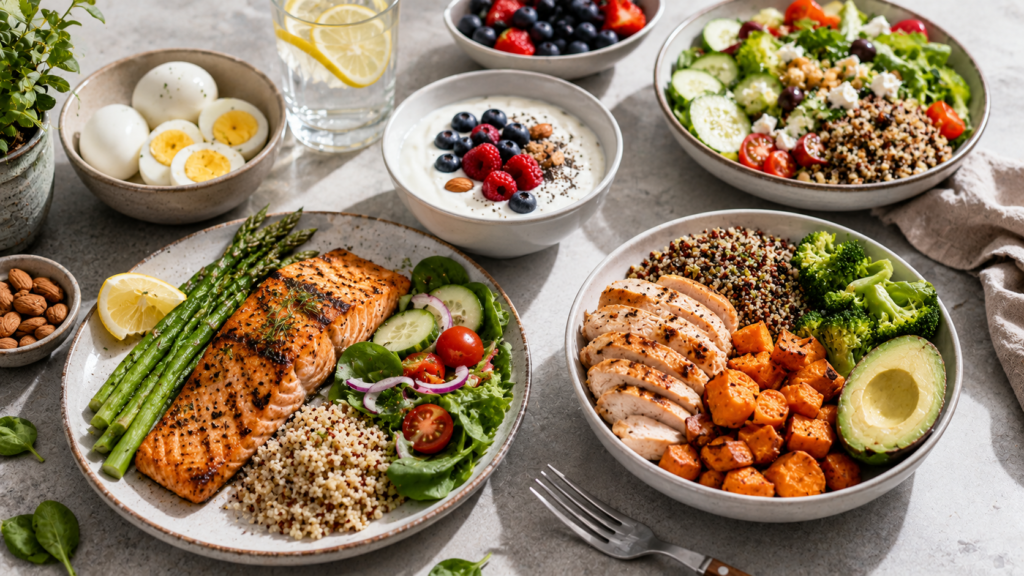
Prioritize:
Protein
Protein helps:
- Preserve muscle
- Increase fullness
- Support recovery
Examples:
- Eggs
- Greek yogurt
- Chicken
- Fish
- Cottage cheese
- Tofu
- Lentils
- Beans
Aim to include protein at every meal.
Fiber
Fiber helps:
- Reduce hunger
- Support digestion
- Improve blood sugar control
Best sources:
- Vegetables
- Fruits
- Beans
- Oats
- Whole grains
- Chia seeds
Whole Foods
Build most meals around:
- Lean proteins
- Fruits
- Vegetables
- Whole grains
- Healthy fats
This naturally improves calorie control without obsessive tracking.
The Best Exercise Strategy After 40
Stop Relying Only on Cardio
Many people spend hours doing:
- Treadmills
- Ellipticals
- Long cardio sessions
Cardio is healthy.
But after 40, strength training becomes even more important.
The Ideal Combination
Strength Training
2–4 times per week
Focus on:
- Squats
- Rows
- Push-ups
- Lunges
- Deadlifts
- Resistance bands
Walking
Aim for:
- Daily walks
- Higher step counts
- More movement throughout the day
Walking is one of the most underrated fat-loss tools available.
The Simple Weight Loss Formula After 40
Instead of chasing extreme diets:
- Eat more protein.
- Lift weights consistently.
- Walk daily.
- Prioritize sleep.
- Manage stress.
- Stay patient.
- Focus on habits instead of perfection.
This combination often works better than restrictive diet plans.
Frequently Asked Questions
Why do I gain weight even though I eat the same as before?
Your calorie needs often decrease with age due to changes in activity levels, muscle mass, and body composition.
Is it possible to lose belly fat after 40?
Yes.
You cannot target belly fat specifically, but overall fat loss combined with strength training can reduce abdominal fat over time.
What is the best diet after 40?
The best diet is one you can follow consistently.
Most successful approaches emphasize:
- Protein
- Vegetables
- Fruits
- Whole grains
- Healthy fats
How much protein should adults over 40 eat?
Needs vary based on body weight and activity level, but most experts recommend prioritizing protein at every meal.
Is walking enough to lose weight?
Walking can be extremely effective, especially when combined with healthy eating and strength training.
How often should I strength train after 40?
Most people benefit from 2–4 sessions per week.
Consistency matters more than intensity.
Why is belly fat more common after menopause?
Hormonal changes can influence fat distribution, making abdominal fat accumulation more common.
Can stress prevent weight loss?
Chronic stress can contribute to overeating, poor sleep, and lifestyle habits that make weight management more difficult.
Conclusion
If weight loss feels harder after 40, you’re not imagining it.
Your body is changing.
But those changes don’t mean you’re destined to gain weight forever.
The most effective strategy isn’t eating less and exercising more.
It’s preserving muscle, prioritizing protein, managing stress, improving sleep, and building sustainable habits that support your changing body.
Forget quick fixes.
Focus on the fundamentals.
Because the people who succeed after 40 aren’t necessarily working harder—they’re working smarter.