
What if the most effective weight loss habit didn’t require a gym membership, expensive equipment, complicated workout programs, or hours of sweating?
What if it was something you already know how to do?
Walking is one of the most underrated weight loss tools available.
It’s low-impact, beginner-friendly, free, accessible almost anywhere, and surprisingly effective when done consistently.
Yet many people overlook walking because it seems too simple.
The truth is that a structured walking routine can help you burn calories, improve cardiovascular health, boost mood, reduce stress, and create sustainable weight loss habits that actually last.
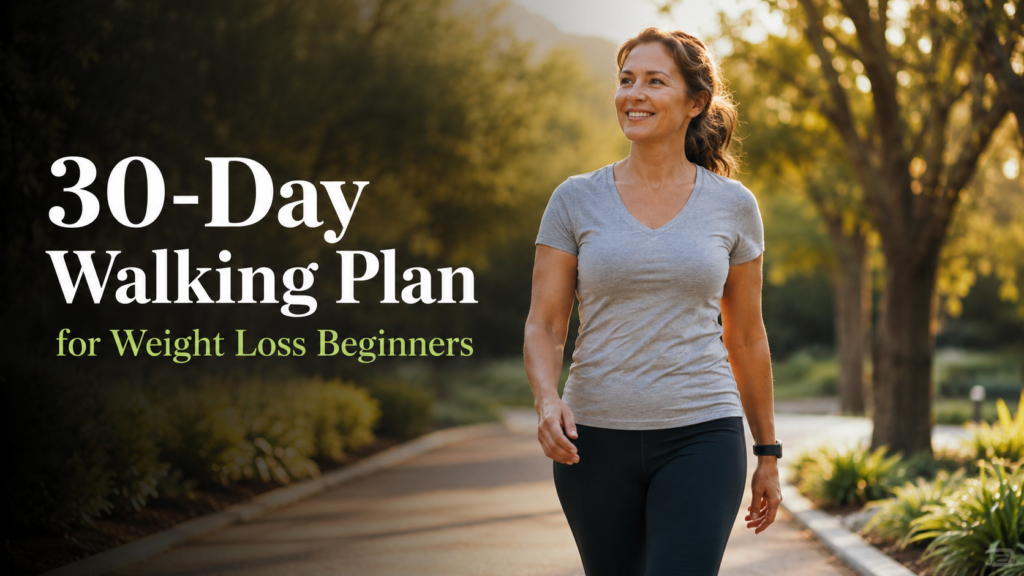
That’s exactly why this 30-Day Walking Plan for Weight Loss Beginners exists.
Instead of jumping into extreme workout programs, you’ll gradually build your endurance, increase your daily movement, and create a routine you can maintain long after the challenge ends.
Whether you’re starting from zero activity or looking for a simple way to restart your weight loss journey, this beginner-friendly walking plan can help you build momentum one step at a time.
Quick Takeaways
- Walking is one of the easiest forms of exercise for beginners.
- Consistency matters more than speed.
- Walking supports calorie burn and overall health.
- A 30-day plan helps create sustainable habits.
- Daily movement can improve energy and mood.
- Walking pairs exceptionally well with healthy eating.
- You don’t need a gym to start losing weight.
Why Walking Works for Weight Loss
Many people believe weight loss only happens through intense workouts.
That’s simply not true.
Walking provides several benefits that make it ideal for beginners:
Easy to Maintain
Unlike extreme workout programs, walking doesn’t leave most people exhausted.
Consistency becomes much easier.
Burns Calories
Every step contributes to your daily energy expenditure.
Over weeks and months, those calories add up.
Reduces Stress
Stress often contributes to emotional eating.
Walking can help improve mood and reduce tension.
Improves Overall Health
Regular walking supports:
- Heart health
- Blood sugar control
- Endurance
- Mental well-being
- Mobility
The best exercise is the one you’ll actually keep doing.
For many beginners, that’s walking.
Before You Start: Walking Success Rules
Follow these simple guidelines:
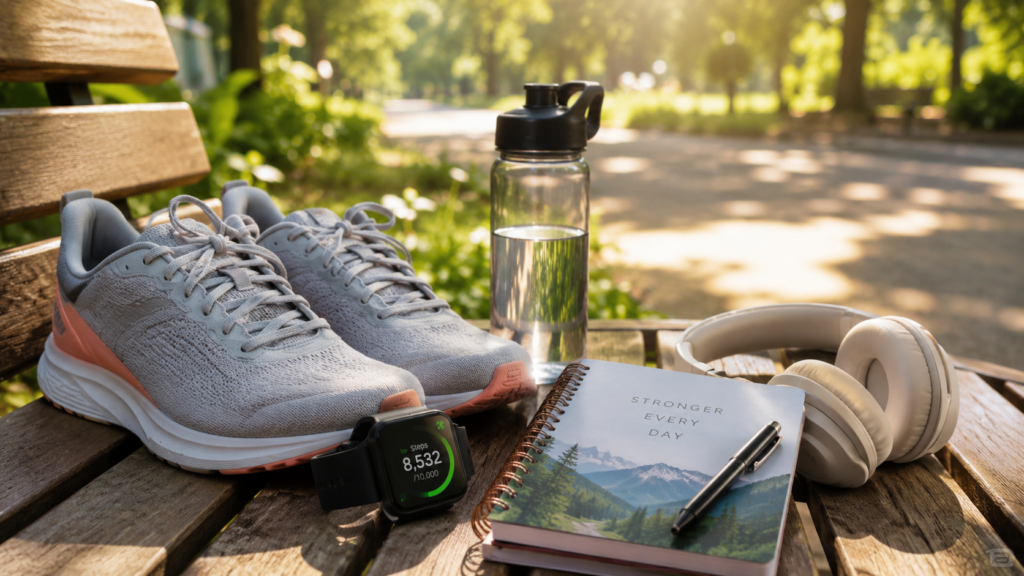
Wear Comfortable Shoes
Proper walking shoes help reduce discomfort and improve consistency.
Start Slower Than You Think
Many beginners try to do too much too quickly.
Gradual progression wins.
Focus on Time, Not Distance
Time-based goals are easier to follow consistently.
Track Your Progress
Use:
- Fitness tracker
- Smartphone app
- Step counter
- Walking journal
Progress becomes motivating when you can see it.
Stay Hydrated
Bring water during longer walks, especially in warm weather.
The 30-Day Walking Plan for Weight Loss Beginners
Week 1: Build the Habit
The goal isn’t fitness.
The goal is consistency.
Day 1
10-minute walk
Day 2
10-minute walk
Day 3
15-minute walk
Day 4
15-minute walk
Day 5
20-minute walk
Day 6
20-minute walk
Day 7
20-minute relaxed walk
Focus:
Simply show up.
Week 2: Build Endurance
Now that walking feels more natural, increase your time.
Day 8
20 minutes
Day 9
25 minutes
Day 10
25 minutes
Day 11
25 minutes
Day 12
30 minutes
Day 13
30 minutes
Day 14
30 minutes
Focus:
Maintain a comfortable pace.

Week 3: Increase Intensity
This week introduces faster walking intervals.
Day 15
30-minute walk
Day 16
35-minute walk
Day 17
35-minute walk
Day 18
35-minute walk
Day 19
40-minute walk
Day 20
40-minute walk
Day 21
40-minute walk
Walking Upgrade
During each walk:
- Walk normally for 3 minutes
- Walk faster for 1 minute
Repeat throughout the session.
This simple change increases calorie burn without requiring running.
Week 4: Create a Weight Loss Routine
You’re no longer a beginner.
Now it’s about turning walking into a lifestyle.
Day 22
40 minutes
Day 23
45 minutes
Day 24
45 minutes
Day 25
45 minutes
Day 26
50 minutes
Day 27
50 minutes
Day 28
50 minutes
Day 29
60 minutes
Day 30
60-minute celebration walk
Focus:
Build confidence and consistency.
How Many Steps Should Beginners Aim For?
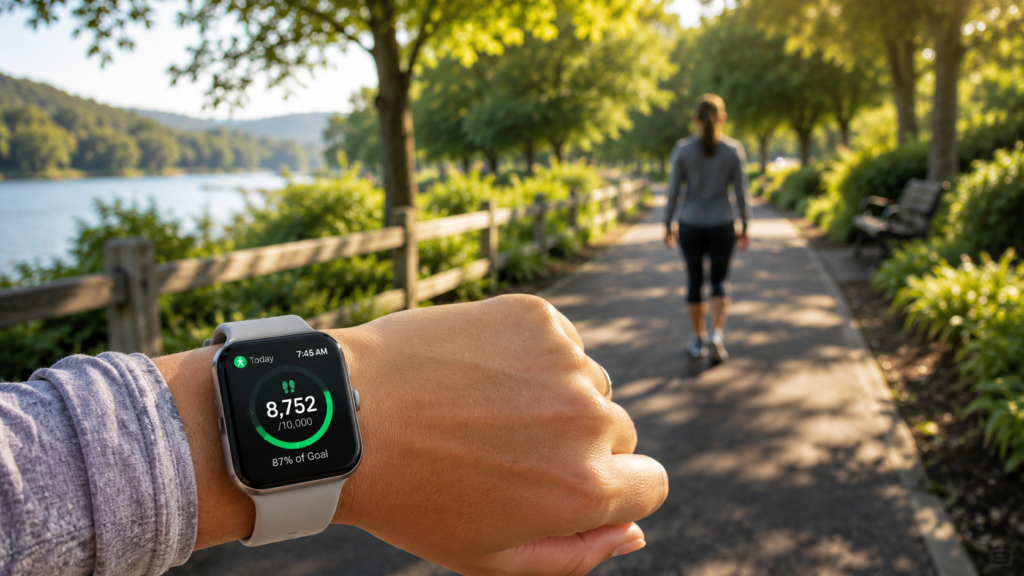
Many people obsess over 10,000 steps.
But the truth is:
Starting where you are matters more.
A realistic progression:
Week 1
4,000–6,000 steps
Week 2
6,000–8,000 steps
Week 3
8,000–10,000 steps
Week 4
10,000+ steps
Remember:
More movement is better than perfection.
How to Burn More Calories While Walking
Want faster results?
Try these strategies.
Walk After Meals
A short walk after eating can increase overall daily activity.
Add Hills
Inclines increase intensity without requiring jogging.
Swing Your Arms
This naturally increases walking efficiency.
Walk Faster Occasionally
Brisk intervals can boost calorie burn.
Carry Light Weights
Advanced beginners may add light hand weights or a weighted vest.
What to Eat During Your Walking Challenge
Walking works best when combined with healthy nutrition.
Focus on:
Protein
- Eggs
- Chicken
- Fish
- Greek yogurt
- Cottage cheese
Fiber
- Vegetables
- Fruit
- Beans
- Oats
Hydration
Drink water consistently throughout the day.
Avoid relying on exercise alone.
Nutrition remains the biggest driver of weight loss.
Common Walking Mistakes Beginners Make
Going Too Hard Too Fast
This often leads to burnout.
Skipping Rest and Recovery
Walking is gentle, but your body still benefits from recovery.
Ignoring Nutrition
Walking cannot compensate for poor eating habits.
Inconsistent Schedule
Three walks one week and zero the next won’t produce meaningful results.
Comparing Yourself to Others
Focus on your progress.
Not someone else’s.
Tracking Progress Beyond the Scale
Weight isn’t the only sign of success.
Pay attention to:
- Energy levels
- Endurance
- Mood
- Sleep quality
- Clothing fit
- Daily step count
These victories often appear before major scale changes.
Sample Beginner Walking Day
Morning
10-minute walk after breakfast
Afternoon
Choose stairs whenever possible
Evening
30-minute structured walk
Daily Goal
8,000 steps
This simple routine can dramatically increase daily movement.
Frequently Asked Questions
Can walking really help me lose weight?
Yes.
Walking increases daily calorie expenditure and supports a calorie deficit when combined with healthy eating.
How long should I walk each day to lose weight?
Most beginners can benefit from gradually building up to 30–60 minutes daily.
Is walking better than running?
For many beginners, walking is more sustainable and easier to maintain consistently.
Should I walk every day?
Daily walking is safe for most healthy adults, but listening to your body is important.
What pace should I walk?
A pace that allows conversation while still feeling purposeful is ideal.
Is 10,000 steps necessary?
No.
Increasing your current activity level is more important than hitting an arbitrary number.
Can I split my walks into multiple sessions?
Absolutely.
Three 10-minute walks can be just as beneficial as one 30-minute walk.
How quickly will I see results?
Many people notice improved energy and endurance within the first few weeks.
Weight loss varies based on nutrition, consistency, and starting point.
Conclusion

If you’re looking for a beginner-friendly way to lose weight, walking may be one of the most powerful habits you can build.
It’s simple.
It’s accessible.
And most importantly—it’s sustainable.
This 30-Day Walking Plan for Weight Loss Beginners isn’t about perfection.
It’s about creating momentum.
One walk becomes another.
One healthy habit leads to another.
And before long, you’re no longer trying to lose weight.
You’re simply living a healthier lifestyle.
Put on your shoes.
Take the first step.
And let the next 30 days change more than just your step count.